“I have lower back pain” can mean several quite different things. The lower back, the sacroiliac (SI) joint, and the deep buttock muscles sit close together, and pain from any of them can feel like it comes from the same general area. Add “sciatica” — a word people use for almost any pain that travels into the leg — and it gets even more confusing. Telling these apart matters, because what helps one doesn’t always help the others. Here’s how to read the clues.
- Lower back pain is usually central, and often worse with bending or lifting.
- SI joint pain is usually one-sided, near the dimple above the buttock, and often worse with standing on one leg or rolling over in bed.
- Deep buttock pain often worsens with sitting and can ache down the back of the thigh.
- Pain, numbness, or tingling that shoots below the knee can mean an irritated nerve root — that’s true sciatica, and it’s worth an exam.
- Numbness in the saddle area, bladder or bowel changes, or progressive leg weakness need urgent medical care.
01A quick comparison
| Lower back | SI joint | Deep buttock muscles | |
|---|---|---|---|
| Where | Center of the lower back, sometimes spreading to both sides | One side, near the dimple above the buttock | Deep inside one buttock, sometimes down the back of the thigh |
| Worse with | Bending forward, lifting, sitting hunched | Standing on one leg, stairs, rolling over in bed, getting out of a car | Sitting, especially on hard surfaces or with a wallet in the back pocket |
| Better with | Gentle movement, changing position often | Avoiding one-sided loading, supported sitting | Standing and walking, gentle stretching |
| Often comes with | Morning stiffness, tight back muscles | A feeling that one side “catches” or is unstable | Aching or tingling down the back of the thigh when sitting |
This is a guide, not a diagnosis — these areas overlap, and more than one can be involved at once. But the pattern of where and when it hurts is the best clue you have before an exam.
02Lower back: the central ache
True lower back pain sits in the middle of the back, above the buttocks. It often flares with bending, lifting, or twisting, and feels stiff first thing in the morning, easing once you get moving. The back muscles feel tight and guarded, and the pain usually stays in the back rather than traveling far down the leg.
What tends to help: gentle walking (short, frequent walks often feel better than one long one), heat on the back, avoiding prolonged slouched sitting, and lifting with the legs — bend the knees, keep the load close, and don’t twist while carrying.
One note: if you’re under about 45 and your back is stiff for more than 30 minutes every morning, wakes you in the second half of the night, and feels better with exercise rather than rest, mention it to your physician — that pattern is worth checking.
03SI joint: the one-sided catch
The SI joints connect the spine to the pelvis, one on each side. SI joint pain is usually on one side, right around the dimple above the buttock. Its signature moments are one-sided: standing on one leg (getting dressed, climbing stairs), rolling over in bed, or getting out of a car. People often describe it as a “catching” or unstable feeling on that side, and it can be mistaken for back pain or sciatica.
What tends to help: avoiding one-sided loading where possible, sitting with both feet supported rather than cross-legged for hours, sleeping with a pillow between the knees, and gentle pelvic stability exercises rather than aggressive stretching.
04Deep buttock muscles: the sitting ache
Sometimes the problem sits lower and deeper — in the muscles of the buttock itself, such as the piriformis and the small gluteal muscles. This pain is felt deep inside one buttock, gets worse the longer you sit (especially on hard chairs or with something in the back pocket), and can send an ache or tingling down the back of the thigh. Walking and standing usually feel better than sitting, which is the opposite of many back problems. You may hear this called piriformis syndrome or deep gluteal pain.
What tends to help: standing and walking breaks every 30 minutes, a cushion when sitting can’t be avoided, emptying the back pockets, and gentle buttock and hip stretches — not forceful stretching, which can irritate the area further.
05When it shoots below the knee: true sciatica
“Sciatica” really describes an irritated nerve root in the lower spine, often from a disc. The pain tends to run in a line down the leg, frequently past the knee and sometimes into the foot, and may come with numbness, pins and needles, or a weaker ankle or toes. Coughing or sneezing can make it flare. Many cases improve with time and conservative care, but this pattern deserves an exam so the right care plan can be set — and any weakness should be checked promptly.
06The muscles behind the pain
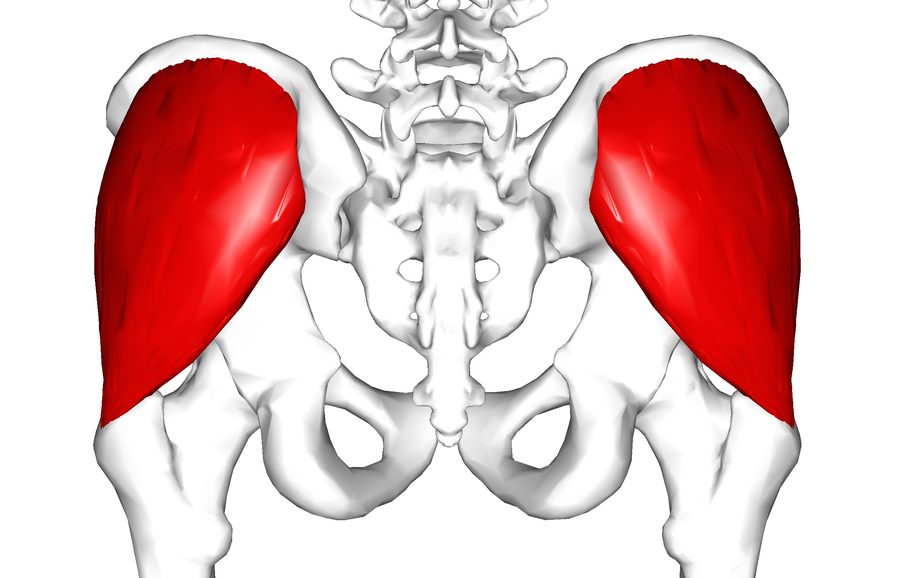
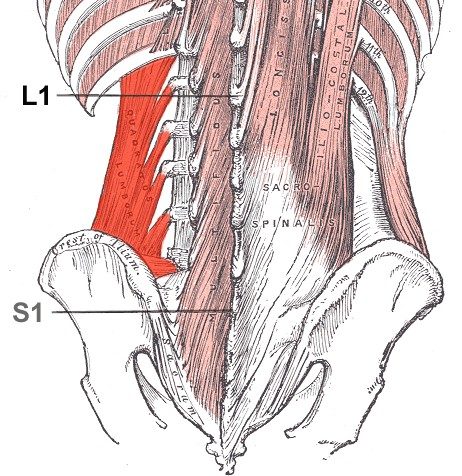
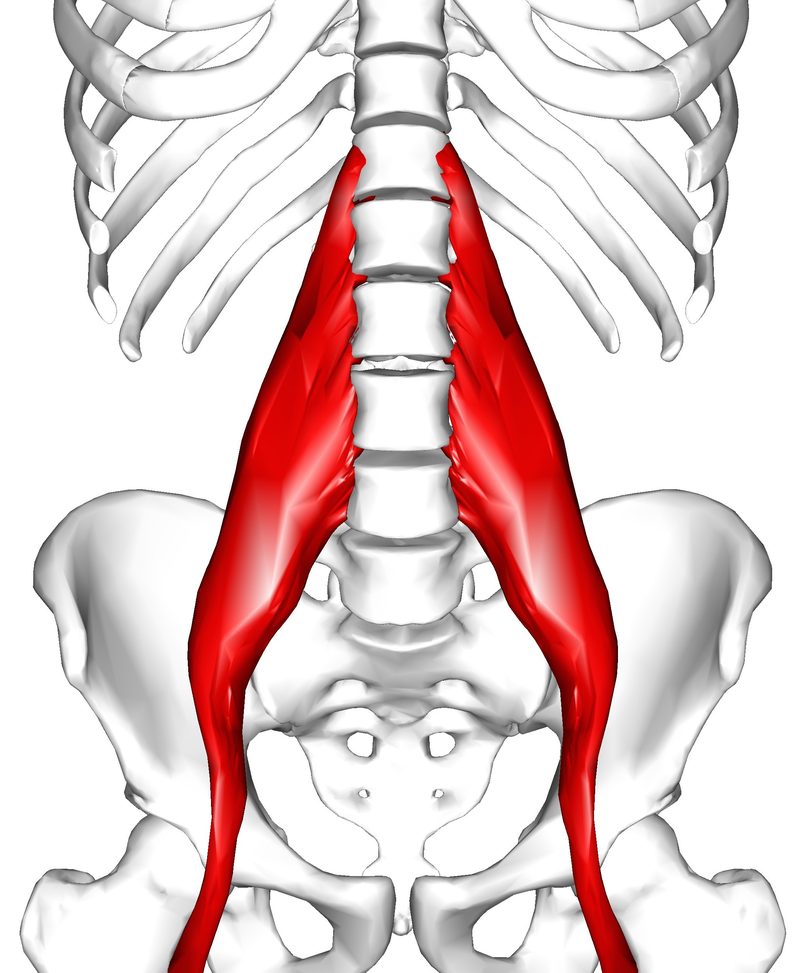
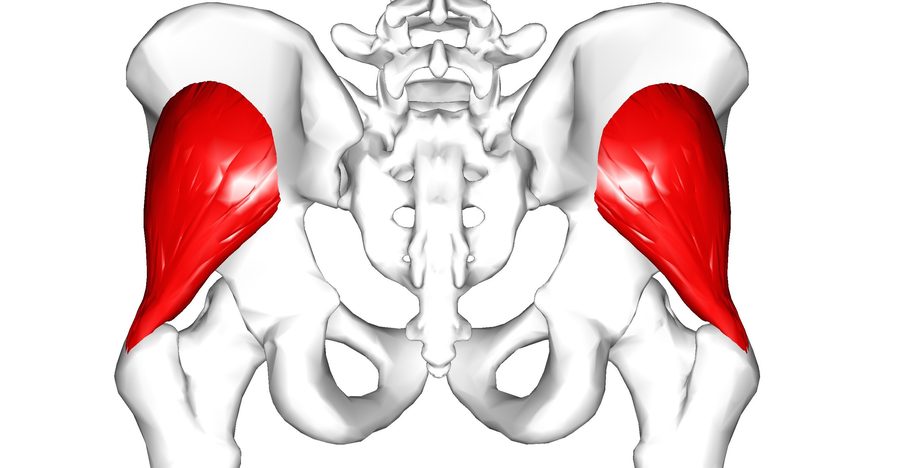
Several muscles can mimic a back or nerve problem. The gluteus medius and quadratus lumborum often refer pain across the low back and SI area, the deep hip flexor (iliopsoas) can cause a central ache that’s worse when standing up straight after sitting, and the small gluteal muscle (gluteus minimus) can send pain down the side or back of the leg in a way that feels a lot like sciatica. That’s why we look at the hips and pelvis, not just the spine.
07When to get medical care right away
Most back, SI joint, and buttock pain improves with time and conservative care, but some symptoms need urgent attention. Get medical care immediately if you have:
- Numbness or tingling in the “saddle” area (inner thighs, buttocks, genitals)
- New trouble controlling your bladder or bowels
- Progressive weakness in a leg or foot, or foot drop
- Fever, unexplained weight loss, or pain after a fall or trauma
- Pain that is severe, unrelenting, or keeps getting worse despite rest
Don’t try to stretch or treat these at home.
See a physician soon if you have back pain with a history of cancer, new back pain after age 50, or back pain after even a minor fall if you have osteoporosis or take long-term steroid medication.
08How Eastern Medicine Can Help
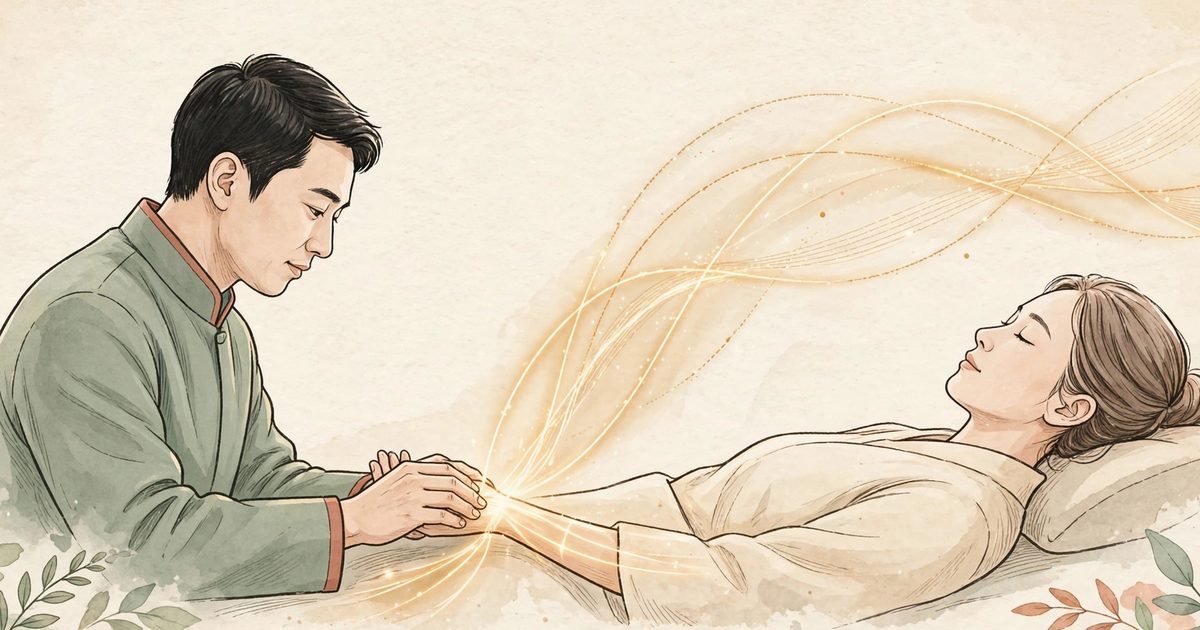
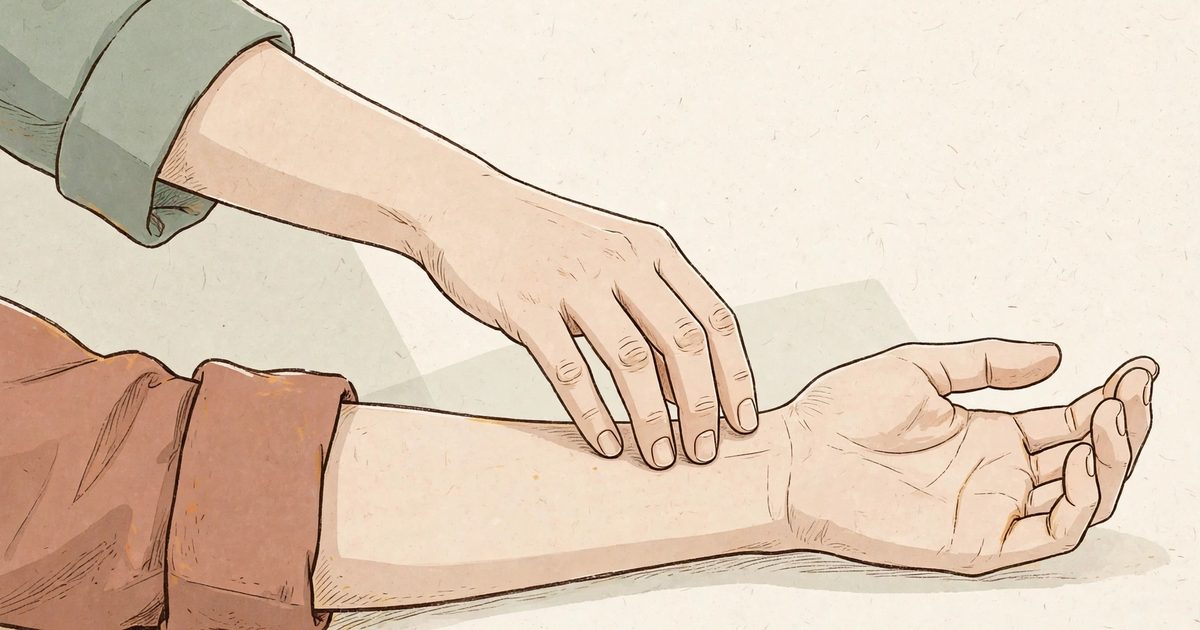
At JP Acupuncture, treatment starts with your pulse. With Pulse Regulating Acupuncture (PRA), we read the pulse, place needles, re-check how the pulse responds, and adjust. Because back, SI joint, and buttock pain can look alike but behave differently, the treatment is adjusted visit by visit to how your body responds.
Depending on your needs, care may also include electro-acupuncture, cupping, moxibustion, tui na, and simple at-home steps such as core exercises and walking — we can send you home with our low back exercise sheet. Acupuncture works alongside — not instead of — care from your physician. The American College of Physicians’ guideline lists acupuncture among non-drug options for chronic low back pain, and research suggests it may help reduce pain and improve function, though results vary from person to person.
The bottom line
Location and movement are your best clues: central and worse with bending points toward the back; one-sided and worse on one leg points toward the SI joint; deep in the buttock and worse with sitting points toward the buttock muscles; a line of pain or numbness below the knee points toward a nerve root. Match your self-care to the pattern — and get checked promptly if any red-flag symptom appears.
Back, SI joint, or buttock — not sure which?
Book a visit at our Long Beach clinic. We’ll check your back, hips, and pelvis, read your pulse, and give you an honest plan. Injured at work or in a car accident? We also work with workers’ comp and auto injury claims.
New here? Start with your first visit and our online intake form. Most insurance plans accepted — how insurance works here.
3816 Woodruff Ave, Suite 205, Long Beach, CA 90808 · Mon–Fri 9 AM–7 PM