When a cold hits, most of us do the same thing: pick up a cold medicine at the pharmacy, rest at home, and — if it gets bad — see our doctor for a prescription or a shot. That’s sensible, and rest and the right medicine are still the foundation of getting better.
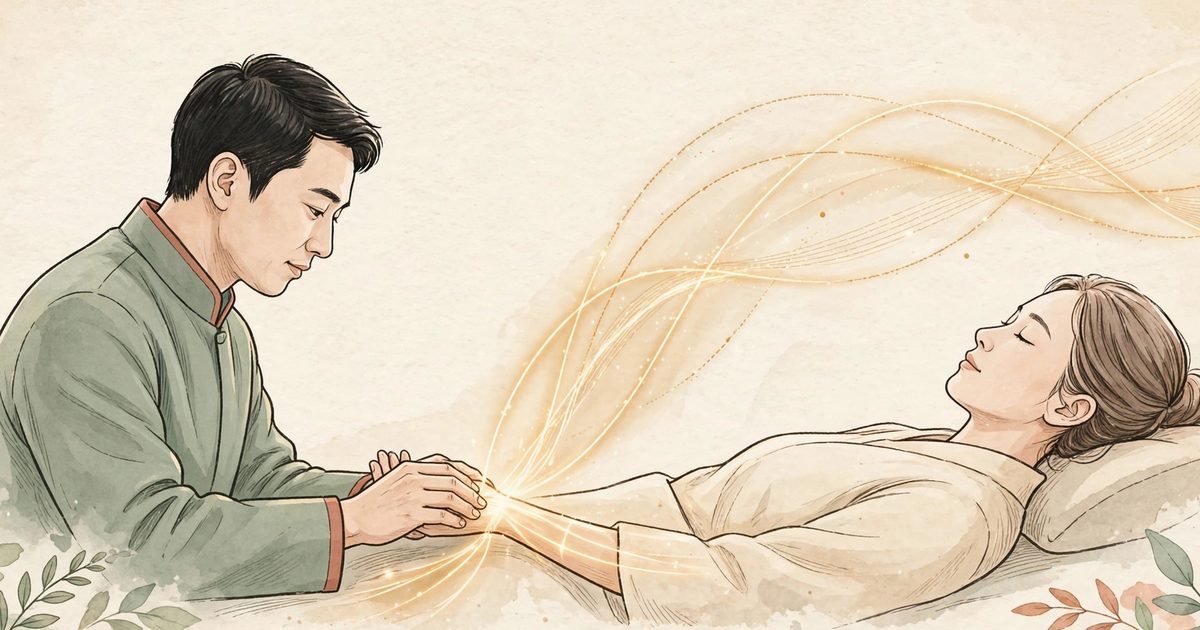
What many people don’t know is that Eastern medicine can work alongside that care. Instead of only easing symptoms while you wait it out, it focuses on helping your body recover — with treatment matched to your body and how the cold is showing up in you. For people whose colds hit hard, drag on, or come back every season, that difference can matter.
- Cold medicine eases symptoms; Eastern medicine focuses on helping your body recover. The two can work together.
- Care is matched to you: whether your cold runs “cold” (chills, clear mucus) or “hot” (fever, sore throat), your body type, and how far along you are.
- Research is early but encouraging: some herbal treatments may shorten how long symptoms last.
- Tell us every medication and supplement you take — and keep your doctor in the loop.
- High fever, trouble breathing, or symptoms that keep getting worse need medical care first.
01First: is it a cold, the flu, or allergies?
| Cold | Flu | Allergies | |
|---|---|---|---|
| Onset | Gradual, over a day or two | Sudden — you feel fine, then you don’t | Recurring, often the same season each year |
| Fever | Rare, usually low | Common, often high (100°F+) | No fever |
| Aches | Mild | Often strong | None |
| Itchy eyes/nose | Sometimes | Rare | Very common |
| How long | About 7–10 days | Usually under 2 weeks; fatigue can linger | Weeks to months |
COVID-19 can look like any of these — a home test is the easiest way to know. If it looks like the flu and you’re 65 or older, pregnant, have a chronic condition, or are caring for a young child with flu symptoms, call your doctor within the first day or two: flu antiviral medicines work best when started early.
02What cold medicine does — and what it doesn’t
Over-the-counter cold medicines are designed to ease symptoms: a stuffy nose, a fever, aches, a cough that keeps you up. That relief is real and worth having. But they don’t do much to help your body clear the cold itself, and antibiotics don’t work on cold viruses at all. So for most people, the plan is: ease the symptoms and wait.
For many, that works fine. For others, it doesn’t go so smoothly:
- The cold drags on — a cough that lingers for weeks, or fatigue that hangs on long after the sniffles are gone.
- Colds hit harder in older adults, people with chronic conditions, and anyone who is already run-down, stressed, or short on sleep.
- Some medicines aren’t a good fit — for example, some decongestants aren’t recommended for people with high blood pressure or certain heart conditions. (Your pharmacist can help you choose.)
- The same cold comes back every time the season changes.
This is where Eastern medicine has something different to offer.
03A different goal: help your body recover
The basic idea of Eastern medicine is simple: when the body is supported and in balance, it is better able to heal itself. So rather than only quieting symptoms, care aims to strengthen the body’s own response — helping it push the cold out, settle the cough, and regain energy. Traditionally this is described as supporting your body’s healthy qi while clearing the outside “wind” that brought the cold in.
Because no two people get sick the same way, treatment is personalized. We look at three things:
Your pattern
Cold or hot?
Wind-cold: chills, clear runny nose, body aches, no sweating. Wind-heat: fever, sore throat, yellowish mucus, thirst.
Your body
Constitution and health
Someone who always runs cold with a sensitive stomach needs different care from someone who runs warm — and so does someone with a chronic condition.
Your stage
How far along you are
The first day or two, a lingering cough, and the tired recovery phase each call for a different approach.
That’s why an herbal formula from an Eastern medicine practitioner isn’t one-size-fits-all: it’s chosen and adjusted for the person in front of us, and changed as the cold changes.
04Two classic formulas: wind-cold and wind-heat
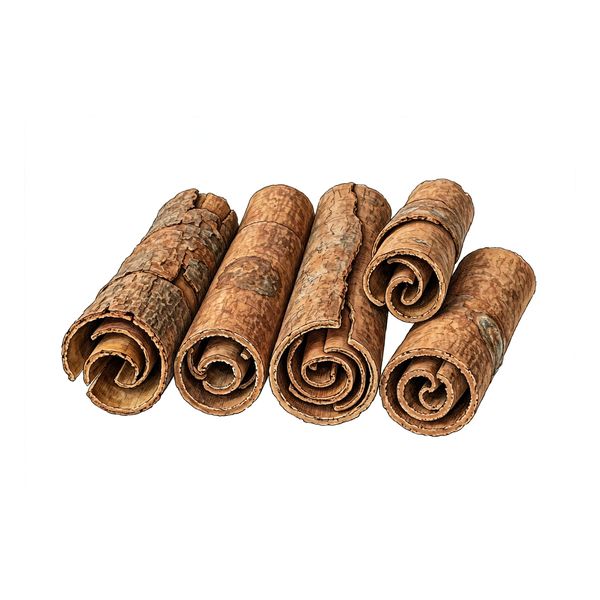
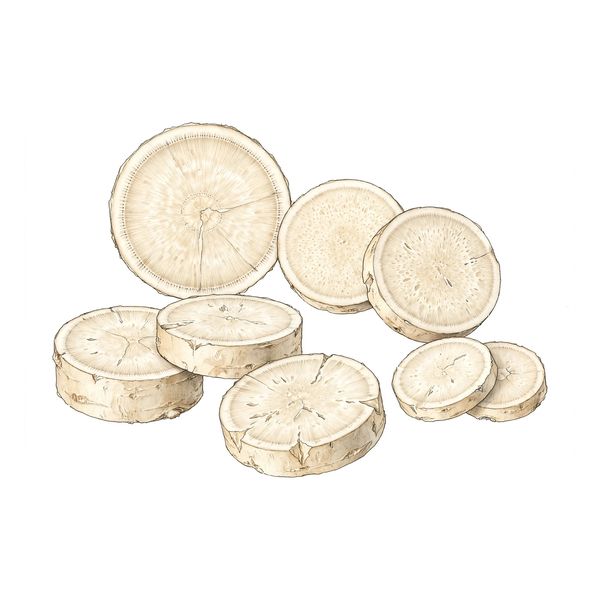
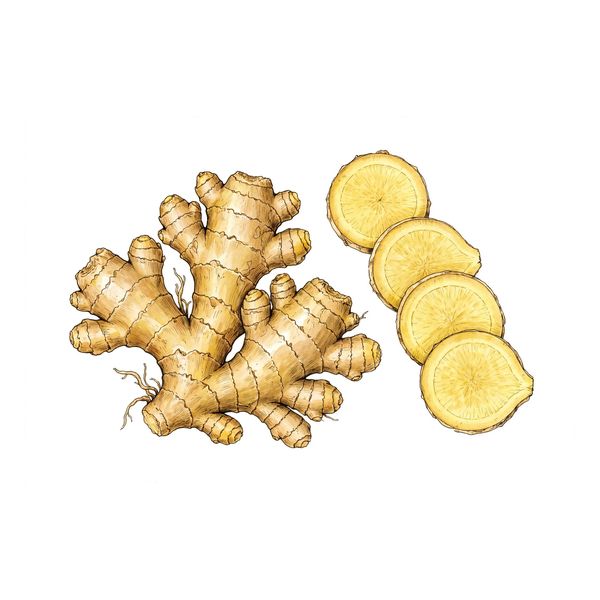
The wind-cold / wind-heat idea is centuries old, and two classic formulas represent it best: one warming, one cooling. Here they are, herb by herb — shown to illustrate the idea, not as a recipe.
Gui Zhi Tang (Cinnamon Twig Decoction) — the representative formula for wind-cold
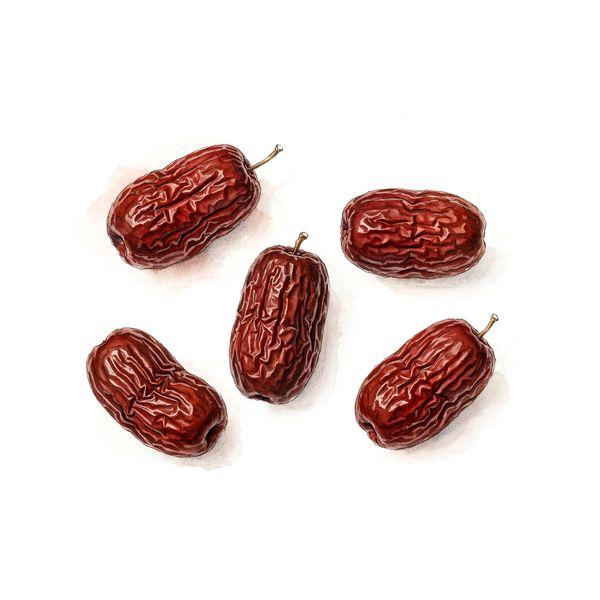
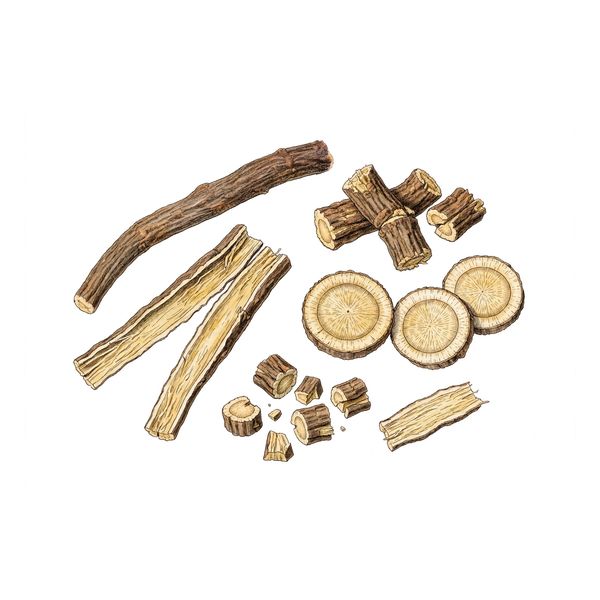
Yin Qiao San (Honeysuckle and Forsythia Powder) — the representative formula for wind-heat
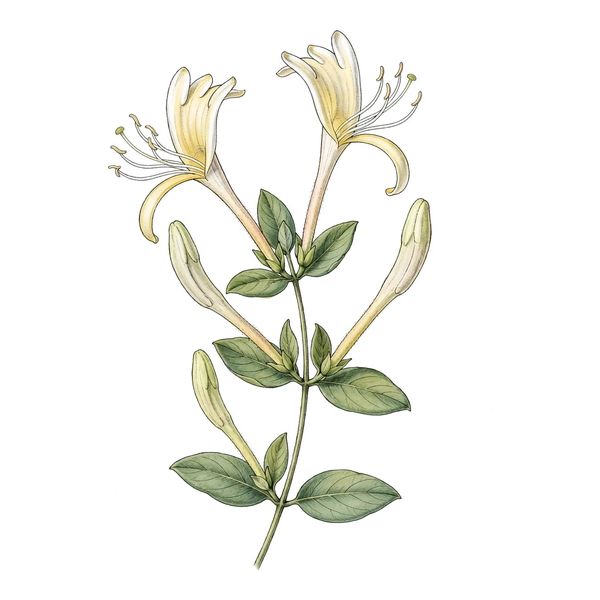
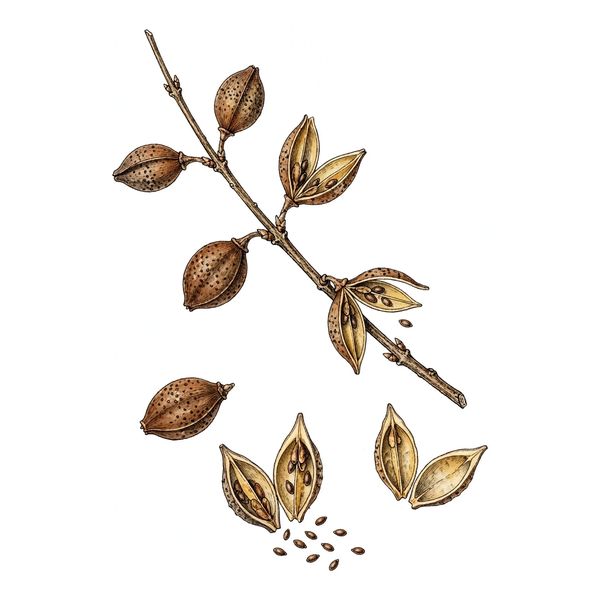
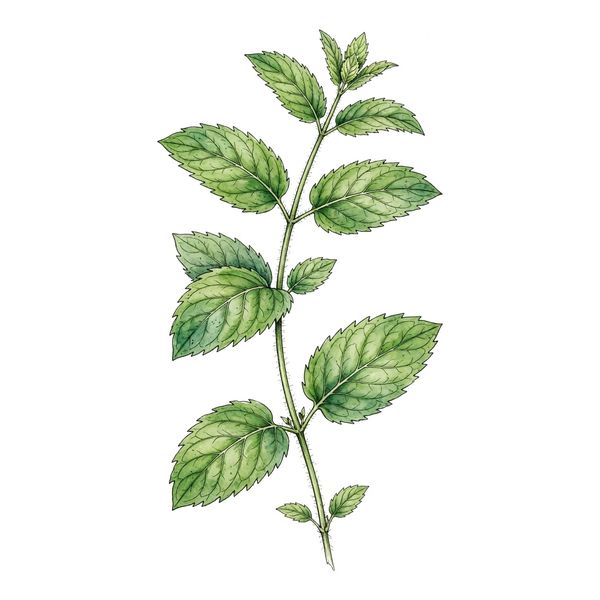
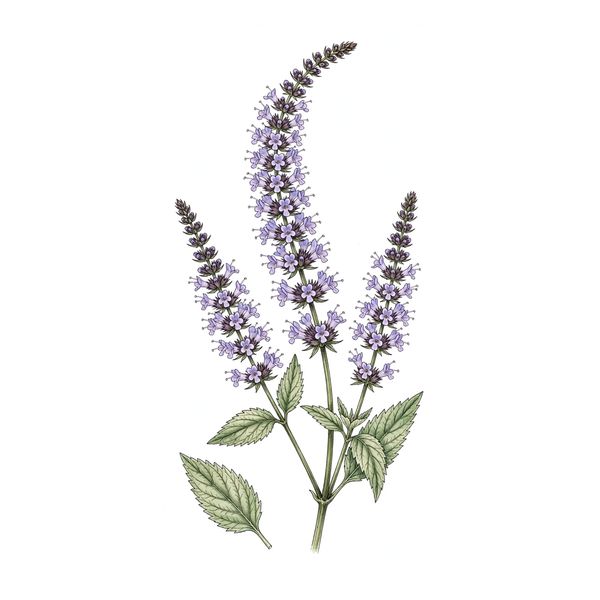
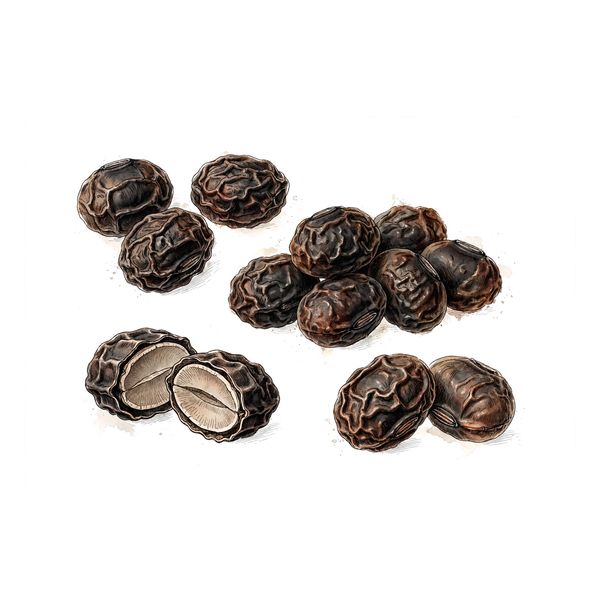
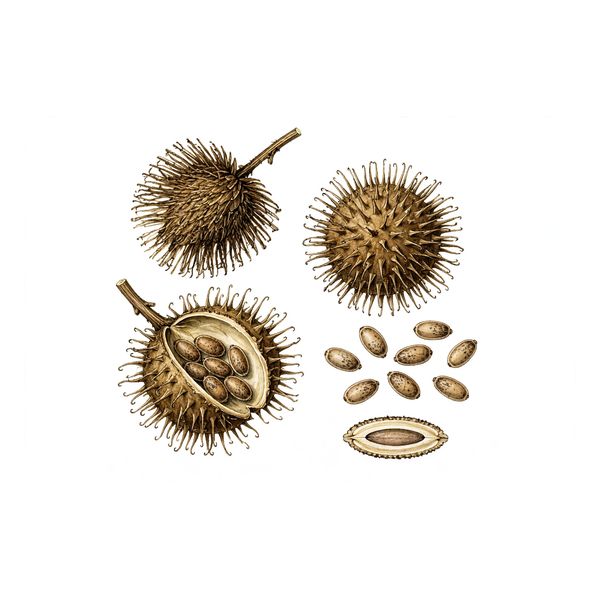
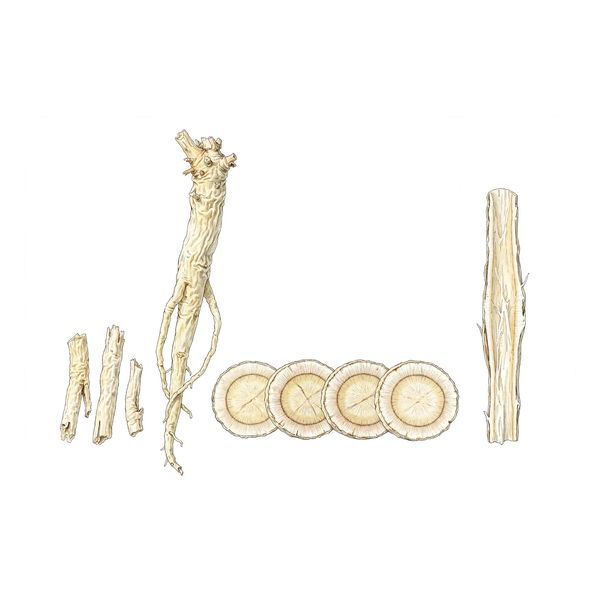
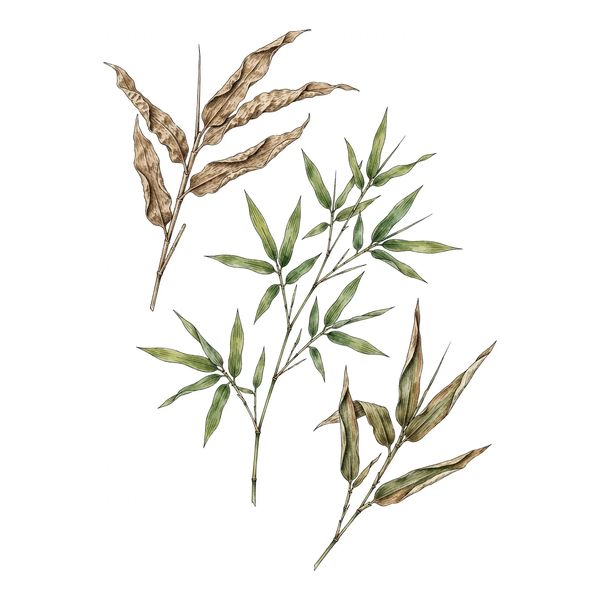
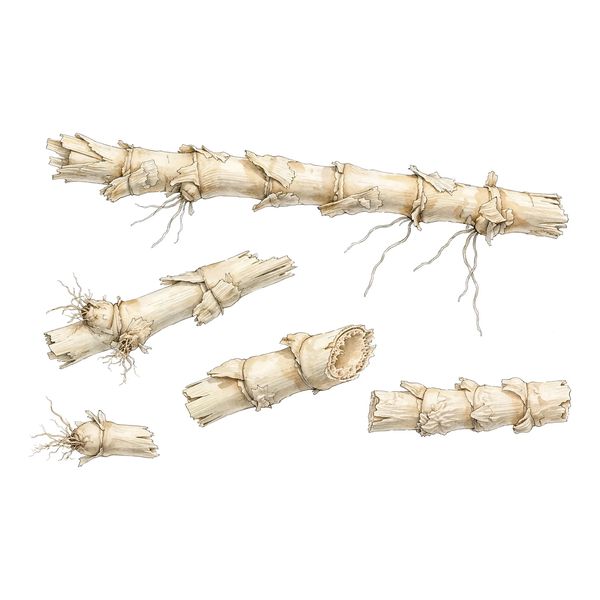
In practice, a classic formula is a starting point. We adjust the herbs and amounts to your pattern, your body, and the stage of your cold — which is exactly what makes the care personal.
05Working alongside your cold medicine: what research suggests
Research on Eastern medicine for colds and flu is still growing, and much of it is early. But it points in an encouraging direction:
- A Cochrane review of 17 trials found that traditional East Asian herbal medicines may shorten the symptom phase of the common cold — though the authors noted most trials were small or of limited quality, so they couldn’t recommend a specific herb (Wu et al., 2007).
- In a randomized trial of 410 people with H1N1 flu, a classic herbal decoction built on the wind-heat formula above shortened the time to fever resolution — and combining it with the antiviral oseltamivir (Tamiflu) shortened the fever more than the antiviral alone (Wang et al., Annals of Internal Medicine, 2011).
That second finding captures what we want people to know: this isn’t an either/or choice. Eastern medicine can be added to the care your doctor recommends — not used in place of it. Results vary from person to person.
Herbs are medicine, too. Tell us every prescription, over-the-counter medicine, and supplement you take, and let your doctor know you’re using herbs. Some herbs — licorice, for example — aren’t right for everyone, including people with high blood pressure. If you’re pregnant or nursing, check with your physician first. Please don’t self-prescribe.
06How we help at JP Acupuncture
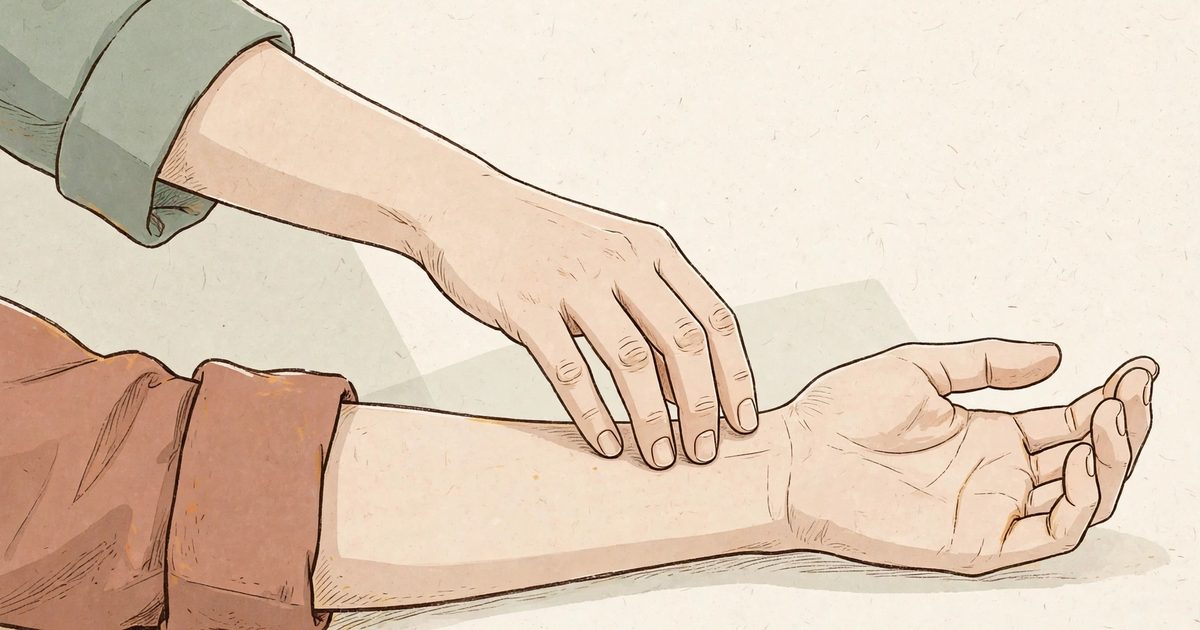
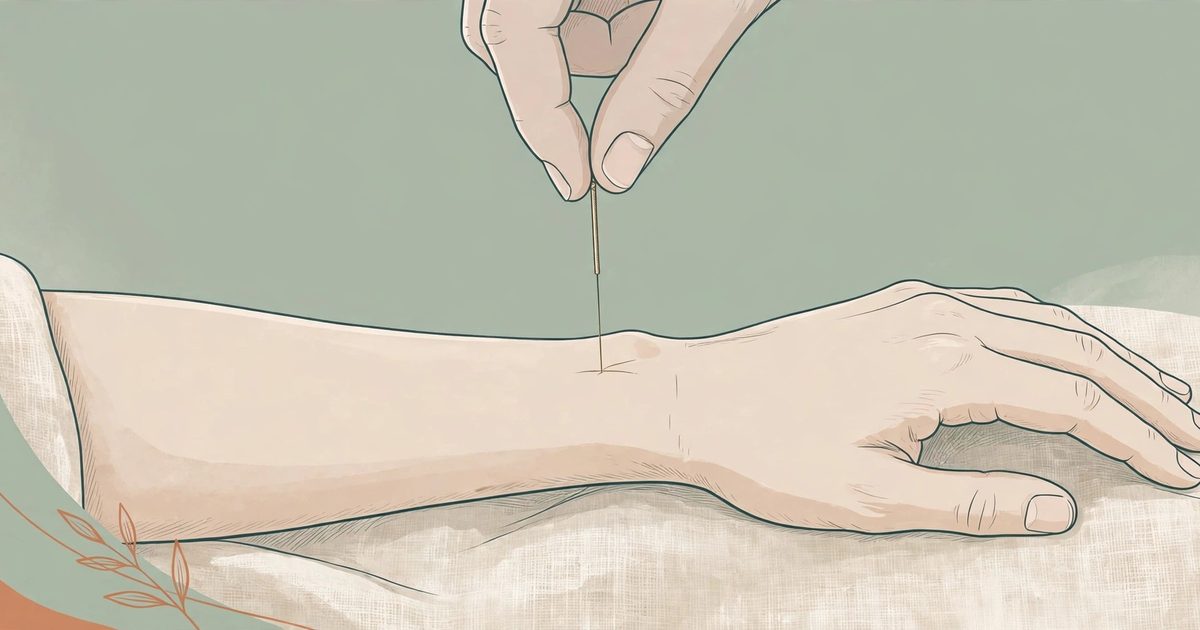
At JP Acupuncture, treatment starts with your pulse. With Pulse Regulating Acupuncture (PRA), we read the pulse, place needles, re-check how the pulse responds, and adjust. — so care follows how your body is responding, visit by visit. Depending on your pattern and stage, care may include:
- Acupuncture to support your body’s response and ease congestion, aches, and that heavy, wiped-out feeling.
- Cupping, often used alongside acupuncture for the stiff, achy upper back of an early wind-cold pattern.
- An individualized herbal formula matched to your pattern, body, and stage — reviewed against your current medications and supplements.
- Home care guidance — food, tea, and rest tuned to your pattern, plus ways to build resilience before the next season change.
When to come in: in the first day or two, which is often the best time to start — or when a cough or fatigue lingers after the cold itself is gone.
07At home, in the meantime
- Rest early. The first 24 hours matter most — don’t try to power through.
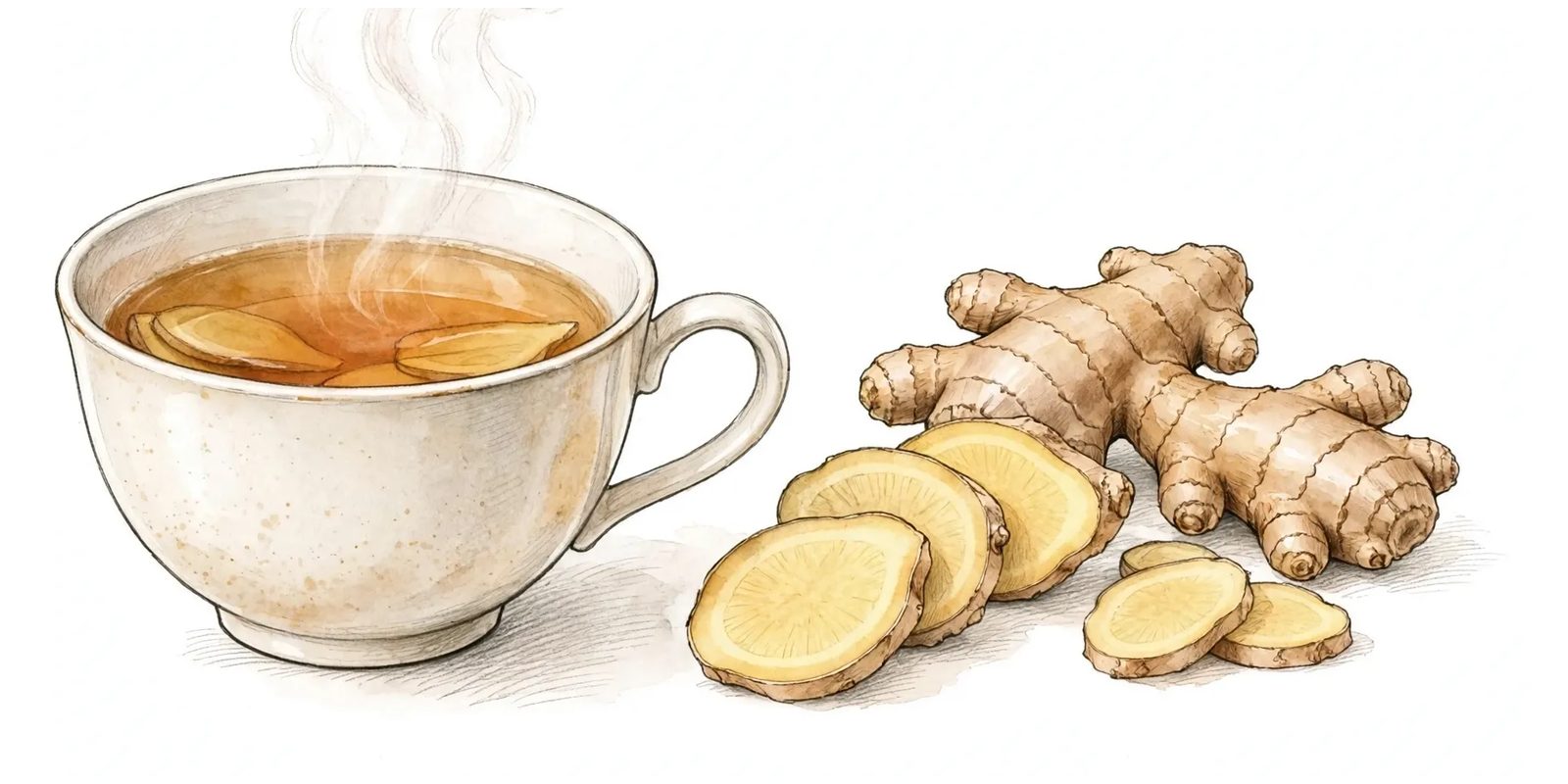
- Match your food to your pattern. Feeling chilled? Fresh ginger tea, warm soups, and cooked foods. Running hot with a sore throat? Plenty of fluids and lighter, cooling foods. (No honey for babies under 1.)
- Keep the neck and upper back warm. In the traditional view, wind enters through the back of the neck — a scarf on a windy day is good advice.
- Sleep, fluids, and go easy on alcohol for a few days.
- Prevention counts. Hand washing, enough sleep, and talking with your doctor about the yearly flu vaccine.
08When to call your doctor
Get medical care promptly if you have:
- A fever above 102°F, or any fever lasting more than 3 days
- Difficulty breathing, chest pain or pressure, or bluish lips
- Confusion, severe weakness, or trouble staying awake
- Signs of dehydration, such as very little urination or dizziness when standing
- Symptoms that improve and then suddenly get worse
- A cough that lasts more than 3 weeks
- The flu on top of a chronic condition such as asthma, heart disease, or diabetes
Don’t wait it out at home.
The bottom line
Cold medicine and rest help you get through a cold. Eastern medicine aims to help your body get over it — with care matched to your pattern, your body, and your stage. Used together, and with your doctor in the loop, they can make the season easier on you.
Colds hit you hard, or keep lingering?
Come in at the first signs, or when a cold just won’t let go. We’ll read your pulse, look at your pattern, and build care that works alongside the medicine your doctor recommends.
New here? Start with your first visit and our online intake form. Most insurance plans accepted — how insurance works here.
3816 Woodruff Ave, Suite 205, Long Beach, CA 90808 · Mon–Fri 9 AM–7 PM