November 14 is World Diabetes Day. It is a good day to look at one set of numbers many people skip: your blood sugar.
According to the CDC, about 40 million Americans — more than 1 in 10 — have diabetes, and more than 1 in 3 adults have prediabetes: blood sugar that is higher than normal but not yet diabetes. Most people with prediabetes don’t know they have it. The good news is that prediabetes can often be turned around with everyday habits.
- Two common tests are A1C (your average over about 3 months) and fasting glucose. Ask your physician for your numbers.
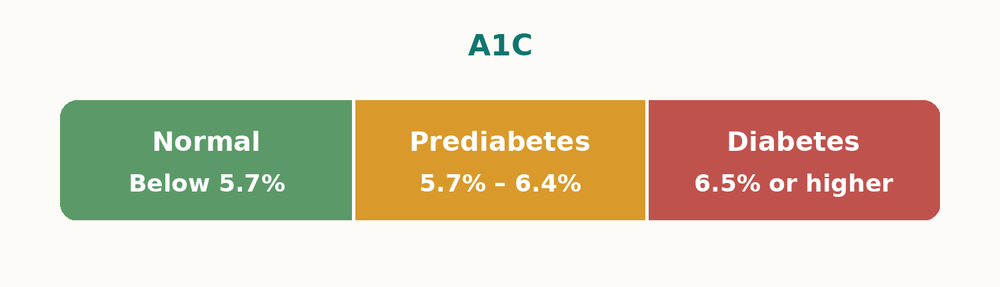
- An A1C of 5.7% to 6.4% means prediabetes; 6.5% or higher on repeat testing means diabetes.
- Small habits matter: in a large U.S. study, modest weight loss plus 150 minutes of walking a week cut the risk of type 2 diabetes by more than half.
- A 10–15 minute walk after meals can help lower the blood sugar rise that follows eating.
- Acupuncture does not replace diabetes care or medication. It may help with stress, sleep, and nerve-related foot symptoms — alongside your physician.
01What your numbers mean
| Test | Normal | Prediabetes | Diabetes |
|---|---|---|---|
| A1C (3-month average) | Below 5.7% | 5.7% – 6.4% | 6.5% or higher |
| Fasting glucose (no food for 8+ hours) | Below 100 mg/dL | 100 – 125 mg/dL | 126 mg/dL or higher |
A diagnosis is made by your physician, usually with repeat testing. If your last blood work was more than a year ago, or you don’t know your numbers, ask at your next checkup.
02Early signs people often miss
Prediabetes usually has no symptoms at all. When blood sugar climbs higher, people may notice:
- Feeling thirsty all the time and urinating more often
- Tiredness, especially after meals
- Blurry vision
- Cuts or sores that heal slowly
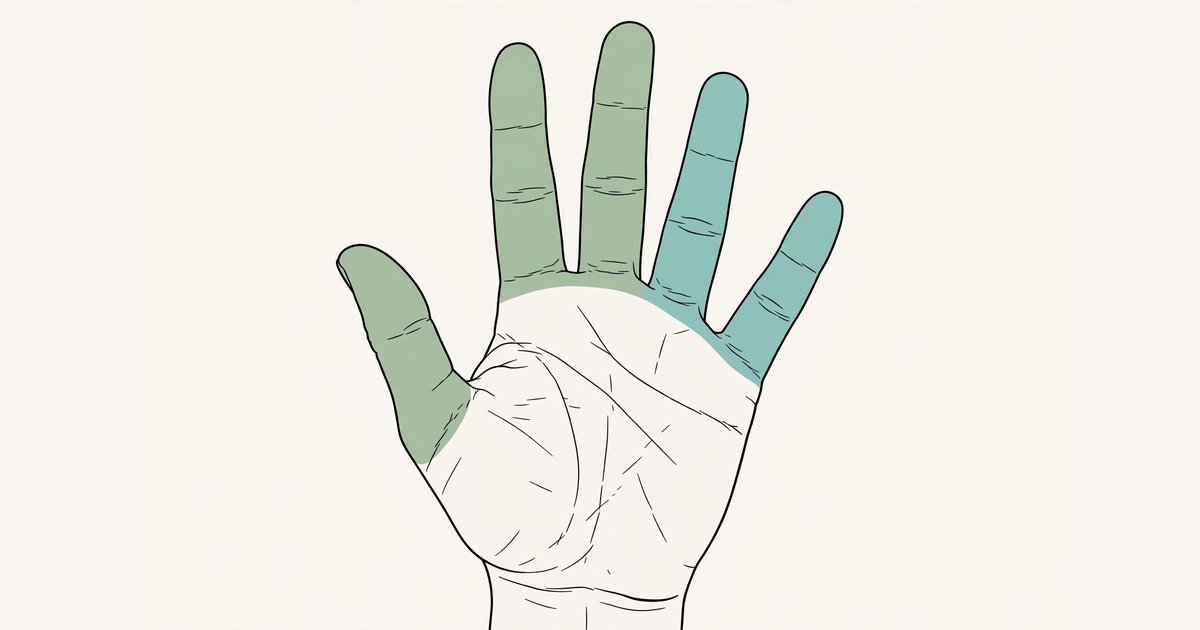
- Tingling, burning, or numbness in the feet or hands
If numbness shows up in both feet or both hands, mention it to your physician — we explained this pattern in Which Fingers Are Numb?
Higher risk if you: are 35 or older, are carrying extra weight around the waist, have a parent or sibling with type 2 diabetes, had diabetes during pregnancy, or are not very active. The CDC offers a free one-minute prediabetes risk test online.
03The Eastern medicine view
Eastern medicine described a condition very much like diabetes almost two thousand years ago. It was called xiao ke (消渴) — “wasting and thirst.” Classical texts sorted it into three patterns, depending on which symptom stood out:
| Pattern | Main sign | Traditionally linked to |
|---|---|---|
| Upper | Constant thirst | The Lung |
| Middle | Constant hunger | The Stomach |
| Lower | Frequent urination | The Kidney |
The common thread is heat that dries the body’s fluids, and a body whose reserves are running low. That is why Eastern medicine pays so much attention to diet, sleep, stress, and the daily rhythm — the same things modern research points to.
043 things to try today
Walk after your biggest meal
A 10–15 minute walk after eating helps your muscles use the sugar from that meal.
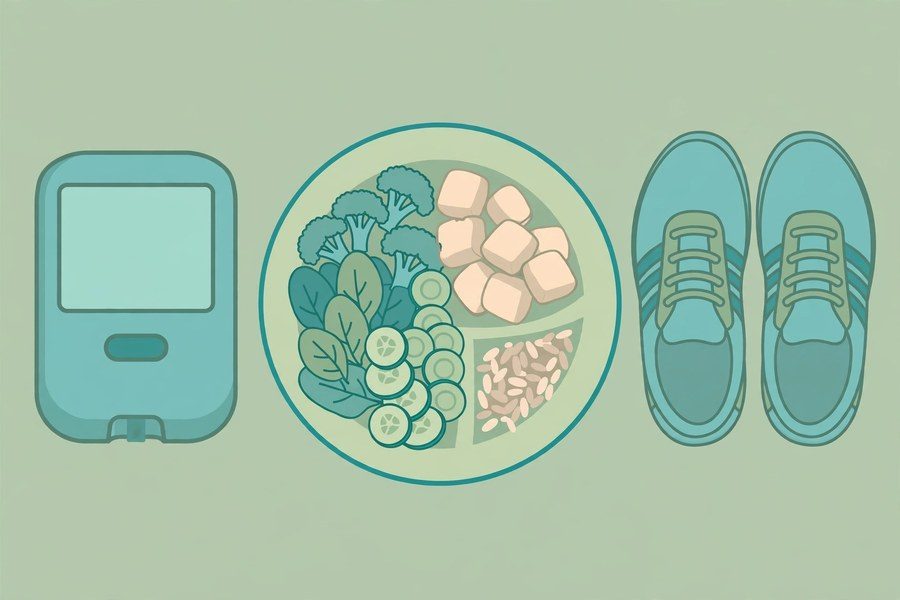
Use the plate method
Fill half your plate with non-starchy vegetables, a quarter with protein, and a quarter with carbohydrates such as rice, bread, or noodles.
Know your numbers
Find your last A1C or fasting glucose result in your patient portal — or put it on the list for your next visit.
05When to get care first
Call 911 if someone with diabetes is confused, very drowsy, or can’t be woken — or has very high blood sugar with vomiting, deep fast breathing, or confusion.
- Shakiness, sweating, and confusion that keep coming back (low blood sugar)
- A foot sore, blister, or cut that isn’t healing — especially if you have diabetes
- Strong thirst and frequent urination that are new for you
06How Eastern Medicine Can Help
Acupuncture and herbs do not replace diabetes medication, and we never suggest changing prescribed medication — please consult your prescribing physician about any change. Where we can help is alongside your care team: stress and sleep, which both affect blood sugar; tingling or burning in the feet, where some research suggests acupuncture may ease symptoms; and lifestyle coaching on food, tea, and daily rhythm based on your constitution.
At JP Acupuncture, care starts with a full assessment of your health history and current treatment. When it fits your case, we also use Pulse Regulating Acupuncture (PRA), our signature approach: we read the pulse, place needles, re-check how the pulse responds, and adjust in the same visit. If you take diabetes medication, tell us about every supplement or herb you use — some can lower blood sugar further.
The bottom line
On World Diabetes Day, do one thing: find out your numbers. If they are normal, keep the habits that got you there. If they are in the prediabetes range, the walk after dinner and the half-vegetable plate are a strong place to start — and your physician can help you build the rest.
Want support alongside your diabetes care?
Book a visit at our Long Beach clinic. We’ll review your health history and current care, and work alongside your physician.
New here? Start with your first visit and our online intake form. Most insurance plans accepted — how insurance works here.
3816 Woodruff Ave, Suite 205, Long Beach, CA 90808 · Mon–Fri 9 AM–7 PM