Headaches all hurt, but they don’t all start in the same place — and that starting point often tells a useful story. A headache that begins across the forehead feels different from one that creeps up from the neck, and what helps one may not help the other. Here’s a simple way to read where yours starts, and what to do about it.
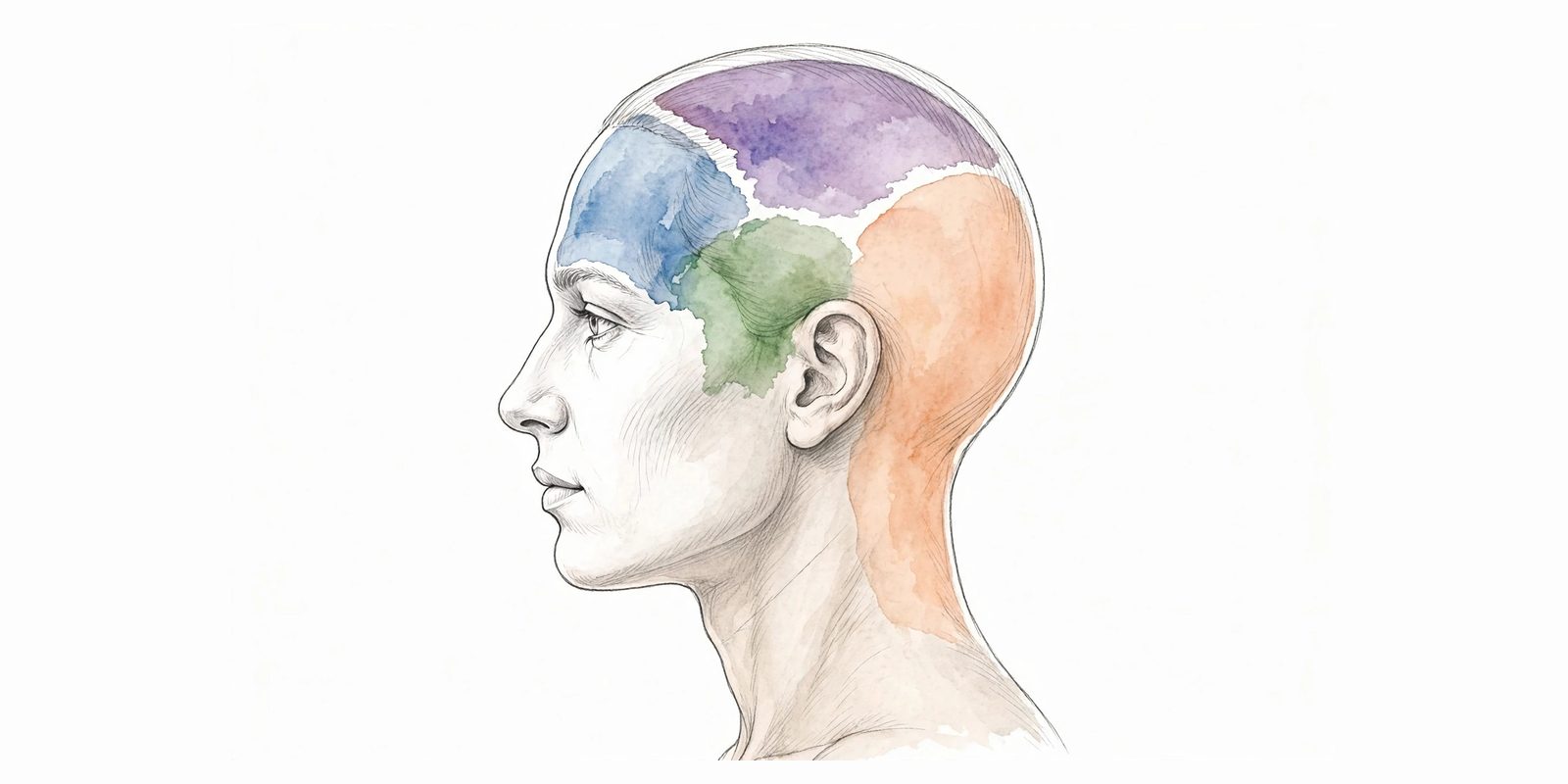
- Forehead headaches often come with sinus pressure or eye strain; temple headaches often come with stress and jaw tension.
- Headaches that start at the back of the head or neck are often tied to neck and shoulder tension and desk posture.
- A headache at the very top of the head is commonly a general tension pattern.
- A throbbing, one-sided headache with nausea or light sensitivity may be a migraine and deserves its own plan.
- Sudden, worst-ever headaches or headaches with vision changes, weakness, or slurred speech need emergency care — not home remedies.
01A quick map: where it starts, what it may mean
| Where it starts | Often feels like | Common contributors |
|---|---|---|
| Forehead / behind the eyes | Pressure or dull ache across the front | Sinus congestion, eye strain, long screen hours, poor sleep |
| Temples / sides | Tight band at the sides (throbbing on one side may be a migraine) | Stress, jaw clenching, teeth grinding at night, skipped meals |
| Back of the head / neck | Ache rising from the neck into the head | Neck and upper-back tension, forward-head desk posture, pillow height |
| Top of the head | Heavy or pressing feeling on the crown | General tension, fatigue, stress buildup |
This is a guide, not a diagnosis — headaches overlap, and more than one pattern can be present at once. But noticing where yours begins is a good first step toward addressing it.
02Forehead: pressure, screens, and sinuses
Forehead headaches often arrive with a sense of pressure behind the eyes or across the brow. Two everyday causes lead the list: sinus congestion (worse with a cold or allergy flare, often with a stuffy nose) and eye strain (long hours on a screen, small text, or an outdated glasses prescription). Worth knowing: many headaches people call “sinus headaches” turn out to be migraines, especially when there’s no fever or thick nasal discharge.
What tends to help: a warm compress over the forehead and sinuses, regular screen breaks (look about 20 feet away for 20 seconds every 20 minutes), drinking enough water, and getting your eyes checked if screens always trigger it.
03Temples: stress and the jaw
Headaches at the temples are often tension headaches. Stress tightens the muscles around the temples and jaw, and many people clench their jaw or grind their teeth without noticing — especially at night.
What tends to help: noticing and relaxing the jaw (lips closed, teeth slightly apart, tongue resting lightly), gentle jaw and temple self-massage, regular meals, and winding down screen time before bed. If you wake up with a sore jaw or your dentist has mentioned grinding, that’s worth mentioning at your visit.
Is it a migraine? A throbbing headache on one side, especially with nausea, sensitivity to light or sound, or visual changes before it starts (an “aura”), may be a migraine rather than a tension headache. Migraines deserve their own plan — if this sounds familiar, talk with your physician and mention it at your acupuncture visit.
04Back of the head: the neck connection
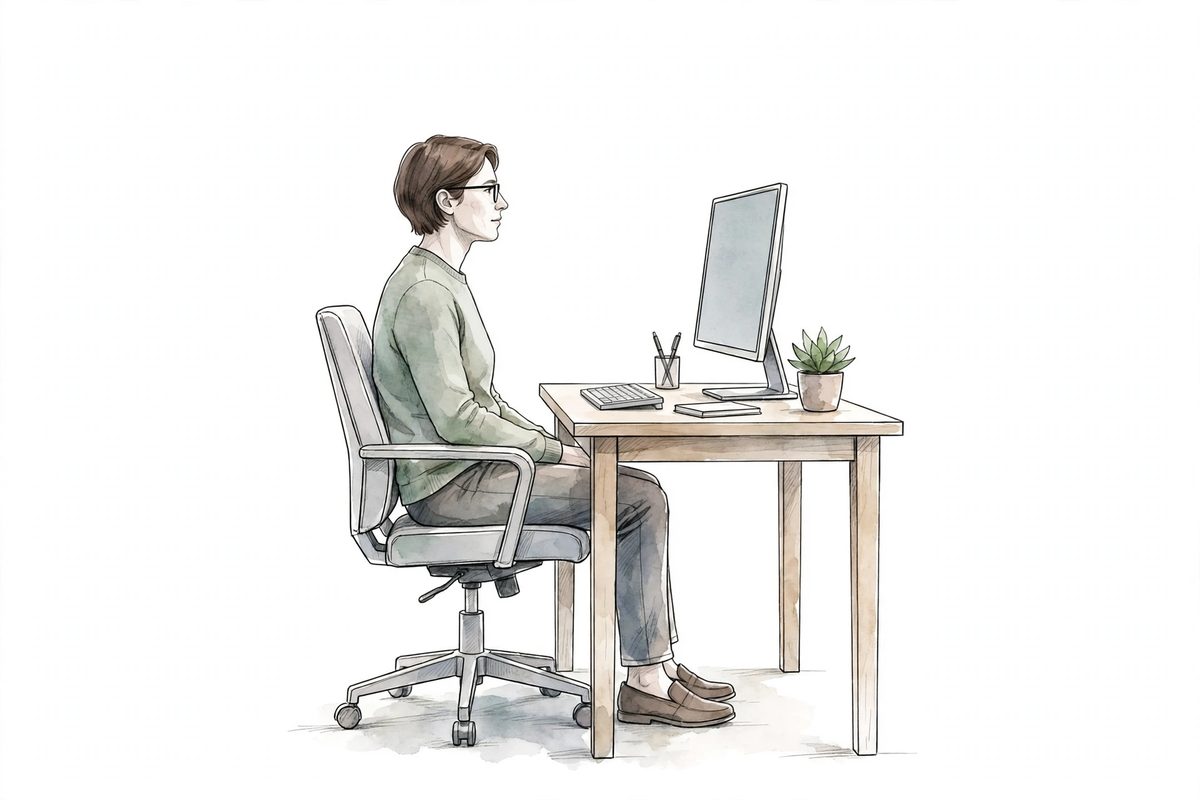
Many headaches actually start in the neck. Hours of looking down at a phone or forward at a monitor tighten the muscles at the base of the skull, and the ache travels upward into the head. This type often feels worse as the day goes on, eases a little with movement, and comes with a stiff neck and tight shoulders.
What tends to help: raising the screen to eye level, a chair that supports the mid-back, gentle neck stretches (chin tucks, slow ear-to-shoulder stretches), heat on the neck and upper back, and checking pillow height — too high or too flat a pillow can keep the neck working all night.
05Top of the head: general tension
A heavy, pressing feeling on the crown of the head is often a general tension pattern — the kind that builds with a stressful week, poor sleep, and too little movement. It rarely has a single trigger, which is why the basics matter most: sleep, water, movement, and stress relief.
06The muscles behind the map
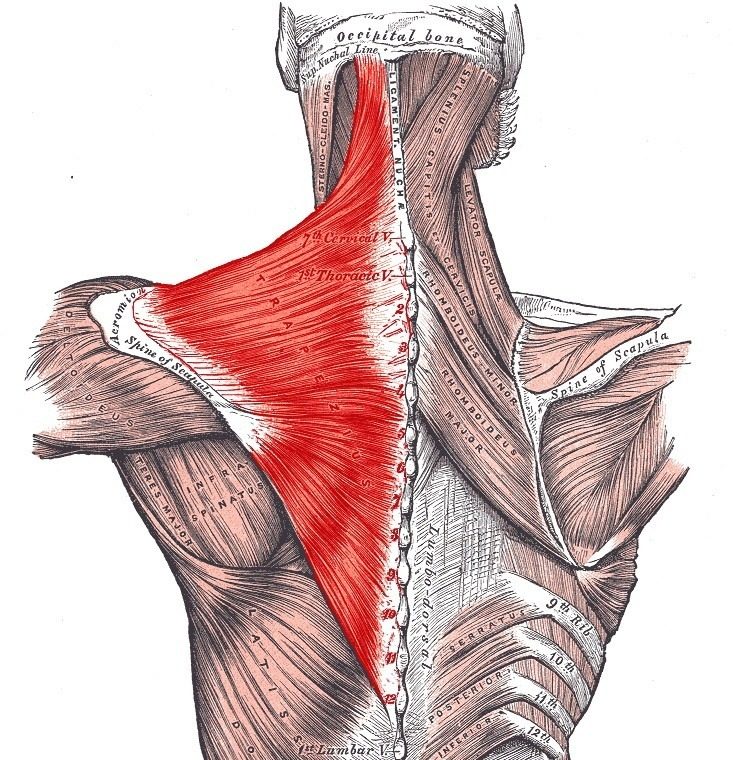
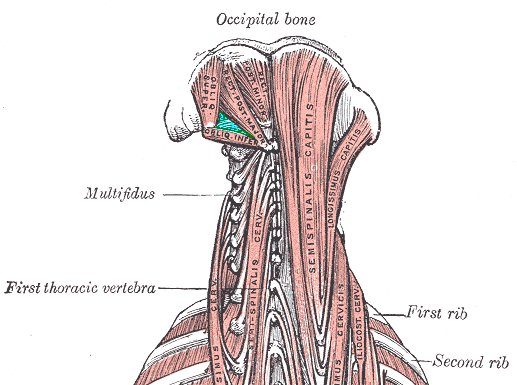
Tight neck and jaw muscles can send pain to places that seem far away. The large muscle running down the side of the neck (the sternocleidomastoid) can refer pain to the forehead, temples, and even the top of the head. The upper trapezius and the jaw’s chewing muscles often feed temple headaches, and the small muscles at the base of the skull are a common source of headaches at the back of the head. That’s why we check the neck, shoulders, and jaw — not just the spot that hurts.
07When a headache needs urgent medical care
Most headaches are not dangerous, but some are. Get emergency care or see a physician right away if you have:
- A sudden, severe headache unlike any you’ve had before (“thunderclap” headache)
- Vision changes, double vision, or loss of vision
- Weakness, numbness, or tingling in the face, arm, or leg
- Slurred speech or trouble finding words
- Fever with a stiff neck, confusion, or a rash
- A headache after a head injury, or one that keeps getting worse over days
- A new headache pattern that starts after age 50
- A headache that wakes you from sleep, or gets worse when you cough, strain, or lie down
- A severe headache during pregnancy or after giving birth
Don’t try to treat these at home.
08How Eastern Medicine Can Help
Eastern medicine has read headaches by location for centuries. Classical texts link the forehead, the sides of the head, the back of the head, and the crown to different meridian pathways — so where your headache starts is part of how we understand it, alongside your pulse.
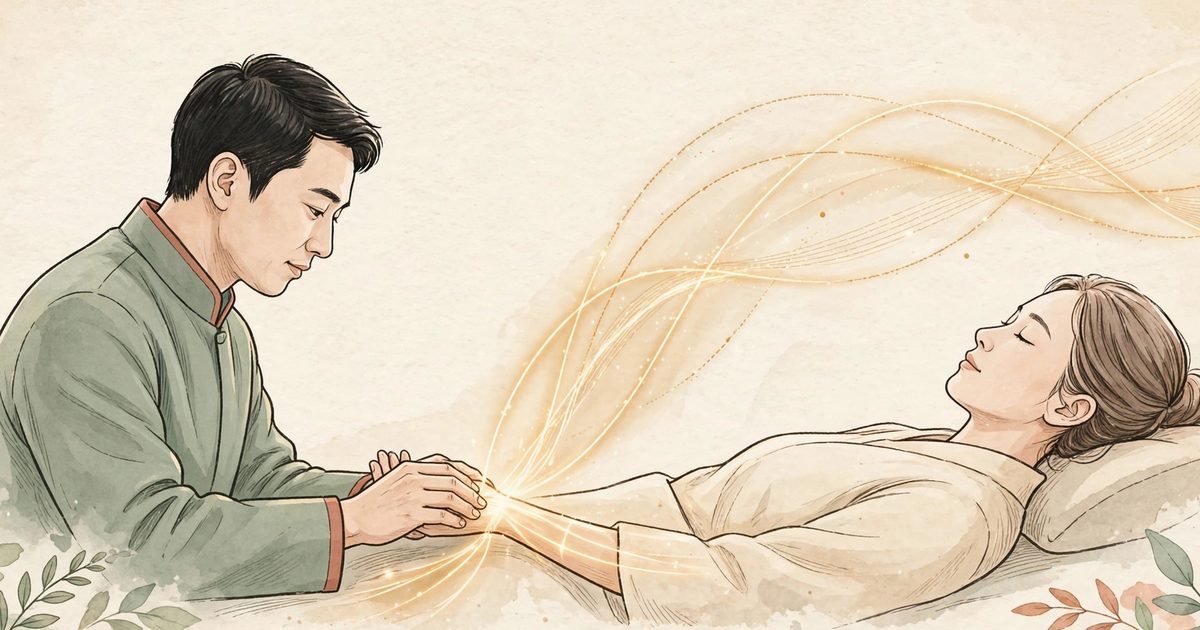
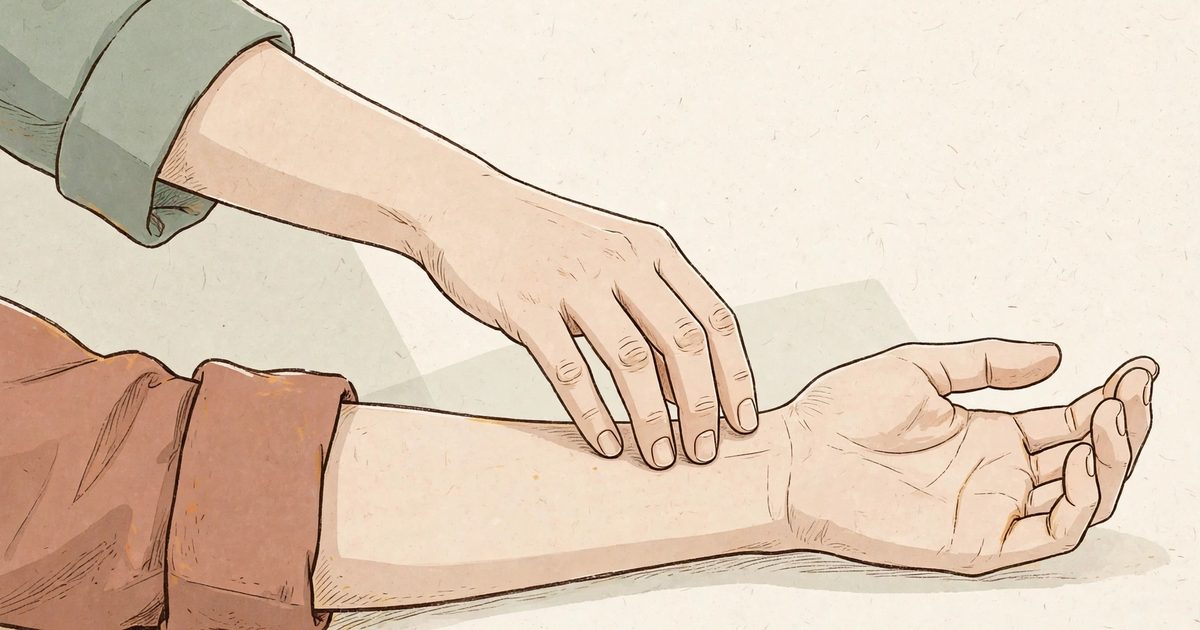
At JP Acupuncture, treatment starts with your pulse. With Pulse Regulating Acupuncture (PRA), we read the pulse, place needles, re-check how the pulse responds, and adjust. Because every headache pattern is different, the treatment is adjusted visit by visit to how your body responds.
Depending on your needs, care may also include electro-acupuncture, cupping, tui na, and simple at-home steps such as self-acupressure and gentle neck stretches — we can send you home with our neck exercise sheet. Acupuncture works alongside — not instead of — care from your physician. Research reviews suggest it may help reduce how often tension-type headaches occur, though results vary from person to person (Cochrane Review, Linde et al., 2016).
The bottom line
Where your headache starts is a useful clue: forehead points toward sinuses and screens, temples toward stress and the jaw, the back of the head toward the neck, and the crown toward general tension. A throbbing one-sided headache may be a migraine. Match the remedy to the pattern — and get checked promptly if any red-flag symptom shows up.
Headaches keep coming back?
Book a visit at our Long Beach clinic. We’ll look at where your headaches start, check your neck, shoulders, and jaw, and read your pulse — then give you an honest plan.
New here? Start with your first visit and our online intake form. Most insurance plans accepted — how insurance works here.
3816 Woodruff Ave, Suite 205, Long Beach, CA 90808 · Mon–Fri 9 AM–7 PM